OPEN SATURDAY!

Driving Without Pain: 5 Low Back Relief Tips for Clackamas & Portland Truckers
Struggling with back pain on long hauls? Discover 5 essential tips for Portland & Clackamas truckers to find relief and stay road-ready at JT Health Services
1/26/20262 min read
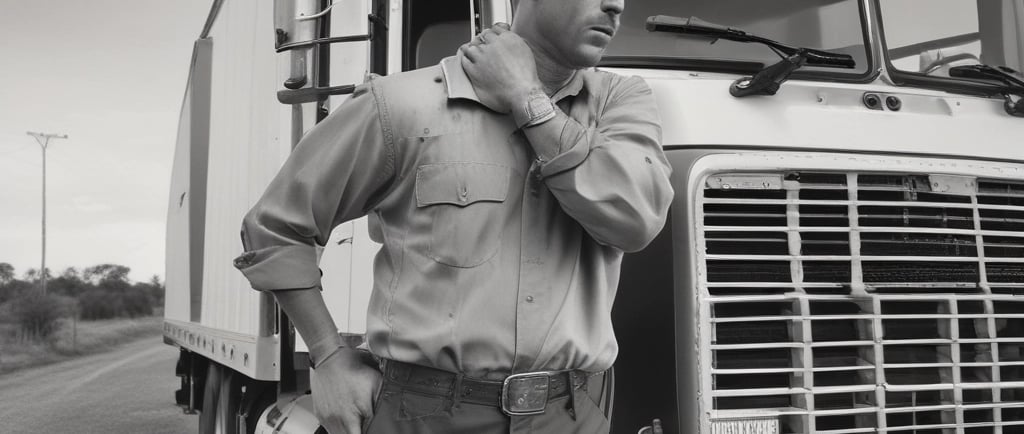
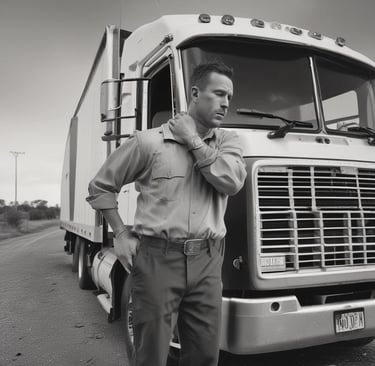
For commercial drivers in the Pacific Northwest, the "office" is a driver’s seat. Whether you’re hauling freight up I-5 or navigating the local routes around Clackamas and Portland, you know that hours behind the wheel take a toll.
At JT Health Services, I see two sides of the coin: The musculoskeletal strain as a Chiropractor, and I see the regulatory requirements as a Certified Medical Examiner (CME). One of the most common issues that bridges these two worlds? Chronic Low Back Pain.
If you’re a CDL holder, back pain isn’t just an annoyance—it’s a threat to your comfort and, eventually, your health certification. Here is how you can protect your spine and stay road-ready.
1. "Driver's Back"
Sitting for long periods causes the hip flexors to tighten and the glute muscles to "shut off." This puts massive pressure on the lumbar discs. Combine that with the constant micro-vibrations of a truck engine, and you have a recipe for inflammation. Recognizing that your pain is a result of your environment is the first step to fixing it.
2. Micro-Breaks at the Rest Stop
You don't need a gym to find relief. When you pull over at a rest area or stop for fuel, spend two minutes doing "Standing Extensions." Place your hands on your lower back and gently lean backward. This reverses the "C-curve" your spine has been stuck in for hours.
3. Mind Your Seat Ergonomics
Most truck seats are designed for durability, not necessarily your specific spinal curve. If your seat doesn't have built-in lumbar support, a simple rolled-up towel or a dedicated lumbar cushion can prevent your pelvis from rolling backward, which is the primary cause of lower back strain.
4. Stay Hydrated (It's for your Discs!)
Your spinal discs are primarily composed of water. When you’re dehydrated, those discs lose height and some of their "shock-absorbing" capability. Staying hydrated helps keep those cushions between your vertebrae healthy and resilient against the bumps of the road.
5. Professional Maintenance: The T-Tool and Adjustments
Sometimes, the tissue is too tight for a simple stretch to fix. In my Clackamas clinic, I use specialized soft tissue techniques—including mastery of the T-tool—to break up "knots" and adhesions in the fascia that develop from prolonged sitting. Following this with a Diversified manual adjustment ensures your joints are moving correctly.
Why This Helps for Your DOT Physical
As an FMCSA-certified examiner, I want to keep you moving. Chronic pain often leads to secondary issues like increased blood pressure or poor sleep—both of which are checked during your DOT Physical Exam. Taking care of your back isn't just about feeling better; it’s about protecting your livelihood.
Ready for your next exam or need a tune-up? At JT Health Services, we make it easy. We handle the paperwork, submit directly to the Oregon DMV, and get you back on the road fast.
Call 503-657-6190 and ask to book with Dr. Jim, and mention this blog post for a 10% discount